Certified Locksmith: Knowing When to Contact the Professionals for Your Security Requirements
A experienced locksmith is critically important in ensuring peace of mind. Many individuals fail to notice the telltale signs that signal a need for expert assistance. Concerns like a faulty security lock or the aftermath of a break-in can threaten security. Knowing when to seek help is crucial. As security threats change, so do the remedies. What aspects should be assessed before reaching out for help?
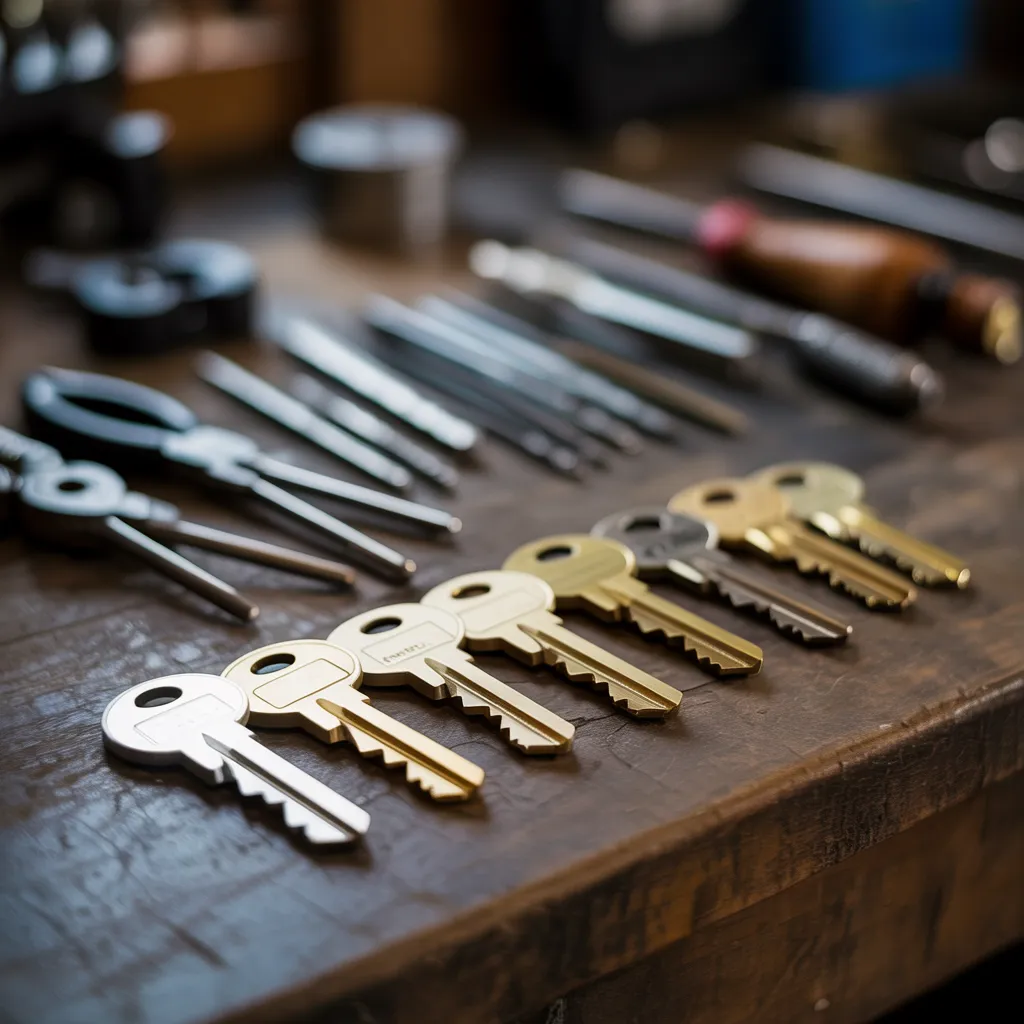
Recognizing the Signs: When You Need a Locksmith
At what point should someone think about contacting a locksmith? An individual may need to seek the help of a locksmith when facing difficulties with their locks or security systems. Situations like a key snapping off inside the lock or a lock that grows hard to operate are obvious signs of underlying issues. Additionally, if someone experiences repeated instances of being locked out, it may signal a need for professional assistance.
In addition, after settling into a new house, it is wise to enlist the help of a locksmith to update the locks to ensure safety. Safety improvements, such as fitting modern locks or surveillance systems, also call for specialist assistance. Finally, if a homeowner observes evidence of break-ins or interference, urgent action should be pursued by engaging a locksmith to examine and upgrade protective systems. Being aware of these signs ensures that people can safeguard their well-being and peace of mind.
Why You Should Call a Locksmith When Locked Out?
Being caught in a lockout situation can be both frustrating and overwhelming. During these difficult moments, the value of contacting a professional locksmith cannot be emphasized enough. A professional locksmith carries the specialized equipment and knowledge needed to resolve lockouts quickly and safely, reducing the likelihood of damage being caused to your property. Trying to regain access without the assistance of a professional can result in damaged locks or doors, leading to expensive repairs.
Additionally, locksmiths are qualified to handle diverse types of locks and security systems, guaranteeing a quick resolution customized for the specific situation. Their understanding of security protocols also improves the safety of the property after re-entry. Moreover, professional locksmiths can provide practical advice on improving security measures, minimizing the chance of future lockouts. Ultimately, relying on a locksmith is not just about getting back inside; it is an vital step in maintaining both the integrity of the property and the confidence of the individual unable to gain access.
How to Handle Being Locked Out?
Finding yourself locked out can be an unsettling situation that prompts immediate action. Your initial priority should be to remain calm and assess the situation. Looking for any unlocked windows or secondary access points can occasionally offer a quick resolution. Should no alternatives present themselves, it is advisable to get in touch with a dependable family member or close friend who may hold onto an extra copy of your key.
When these steps do not work, turning to a professional is crucial. Reaching out to a locksmith is typically the most reliable method for restoring access swiftly and securely. It is important that individuals do not attempt to break in, as this can create significant damage that may require costly fixes.
In advance of the locksmith getting there, gathering necessary information, including identification and proof of address, can speed up the process. At the end of the day, getting locked out acts as a reminder of how crucial it is to have a contingency plan for accessing secure spaces.
The Smart Reasons to Upgrade Your Locks
Once a lockout situation has been resolved, many individuals recognize the significance of keeping their homes secure. Upgrading locks becomes a proactive measure to strengthen home protection. Older locks may not provide adequate protection against today's advanced intrusion tactics, emphasizing the importance of upgrading to more reliable alternatives.
High-security locks, for example, deliver cutting-edge features that discourage unwanted access. These security solutions commonly incorporate pick-resistant technology and resilient materials, providing a more reliable barrier. Furthermore, smart locks provide convenience and remote access, allowing homeowners to monitor their security from anywhere.
Furthermore, insurers may extend more favorable rates for homes featuring upgraded security systems, presenting financial incentives for homeowners to enhance their lock systems. Altogether, upgrading locks not only improves physical security but also encourages peace of mind, making certain that residents stay safe in their own environment. This strategic investment is a vital step toward comprehensive home security.
What to Anticipate From a Complete Security Assessment
When residents pursue a detailed security inspection, they can expect a thorough evaluation of their residence's security gaps and advantages. Experienced security specialists begin by evaluating entry locations such as garages, doors, and windows to identify potential weaknesses. They evaluate the state and effectiveness of current locking mechanisms, flagging any deteriorated or aging components that may weaken the property's defenses.
Moreover, the inspection encompasses assessing the surrounding environment, considering elements such as community crime levels and line of sight. Licensed locksmiths often recommend upgrades such as high-security locks or alert systems tailored to the property's specific needs. They can also offer recommendations regarding access management systems, surveillance cameras, and outside lighting recommendations.
The goal of the inspection is to generate a comprehensive report summarizing findings and suggesting concrete recommendations, effectively enabling homeowners form well-considered judgments about their safety protocols. This forward-thinking method provides a comprehensive approach for securing the property against the threat of unforeseen vulnerabilities.
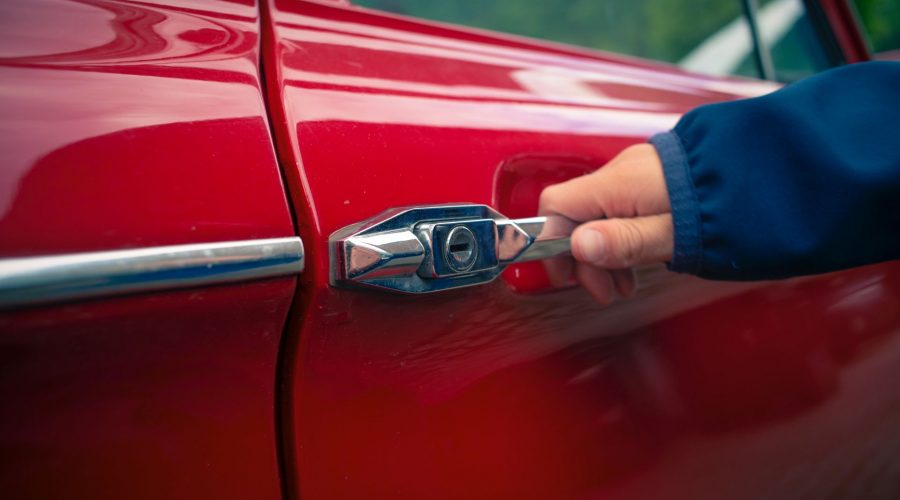
Common DIY Mistakes to Avoid When Dealing With Locks
When addressing lock issues, many people make typical mistakes that can exacerbate the problem. Ignoring specific lock types, overusing lubricants, and improperly using tools can lead to further complications. Identifying these mistakes is essential for proper lock upkeep and security.
Neglecting Lock Types
Even though many homeowners choose to address lock concerns independently, failing to identify the particular types of locks can result in expensive errors. Different locks, such as deadbolts, smart locks, and mortise locks, each have unique mechanisms and installation requirements. A limited understanding of locks can cause improper repairs or replacements, ultimately jeopardizing security. For instance, attempting to force a key into a misaligned lock can damage both the lock and the key, necessitating expensive replacements. Additionally, mixing up lock types may lead to ineffective solutions and further complications. To prevent these issues, homeowners should thoroughly evaluate their locks and seek the advice of a professional locksmith when unsure about their particular requirements.
Excessive Use of Lubricants
It is common for homeowners to make the mistake of over-lubricating their locks, thinking that more is better for smooth operation. This widespread misunderstanding can result in an accumulation of too much lubricant, which draws in dust and debris, ultimately causing locks to become sticky or jammed. Different types of locks require specific lubricants; to illustrate, graphite tends to be the preferred option for pin tumbler locks, while other locks are better served by silicone sprays. Applying too much lubricant can generate a slick surface that interferes with the lock's mechanism, causing the lock to become harder to operate. Instead of improving functionality, excessive lubrication can lead to costly repairs or the need for professional locksmith services. Grasping the appropriate amount and type of lubricant is critical to ensuring optimal lock performance.
The Art of Misusing Tools
Using the wrong tools during lock repairs can lead to frustrating outcomes and potential damage. Many DIY enthusiasts underestimate the importance of using the right tool for the job. To illustrate, substituting a screwdriver for a dedicated lock pick can result in stripped screws or broken internal mechanisms. Additionally, using excessive force can cause locks to jam or become irreparably damaged. Typical blunders include using pliers to turn a key or trying to pry open a stuck lock without appropriate technique. These mistakes commonly cause further issues that necessitate professional help. To prevent these errors, people should educate themselves about lock mechanisms and the proper tools required for lock repairs. Should any uncertainty arise, reaching out to a professional locksmith can conserve time and eliminate costly blunders.
Top Questions Asked
How Do I Choose a Reputable Locksmith Service?
To identify a reliable locksmith provider, it is important to look up online reviews, confirm credentials, confirm insurance coverage, and seek recommendations. Evaluating several options enables informed decisions, culminating in consistent and reliable service.
What Certifications Should a Professional Locksmith Have?
A qualified locksmith ought to have credentials including the Certified Locksmith (CL) credential, Registered Locksmith (RL), and Master Locksmith (ML) from established professional organizations. These certifications reflect professionalism, expertise, and adherence to industry standards, guaranteeing dependable service to customers.
Is Locksmith Service Available Around the Clock?
Locksmith services are often available 24/7, delivering critical support in emergency situations like being locked out or experiencing security incidents. Numerous skilled locksmiths emphasize availability, ensuring clients can receive help whenever needed, no matter the hour.
How Much Do Locksmith Services Typically Cost?
Locksmith pricing generally falls from $50 and $150 for common services, such as lockouts or rekeying. That said, urgent calls and complex jobs may incur higher fees, often surpassing the $200 mark depending refer now on the complexity involved.
Can a Locksmith Help With Electronic Security Systems?
Indeed, a locksmith is able to help with digital security systems. They possess the skills to install, service, and maintain a wide range of electronic security mechanisms, ensuring top-level security and functionality for residential and commercial properties alike.